
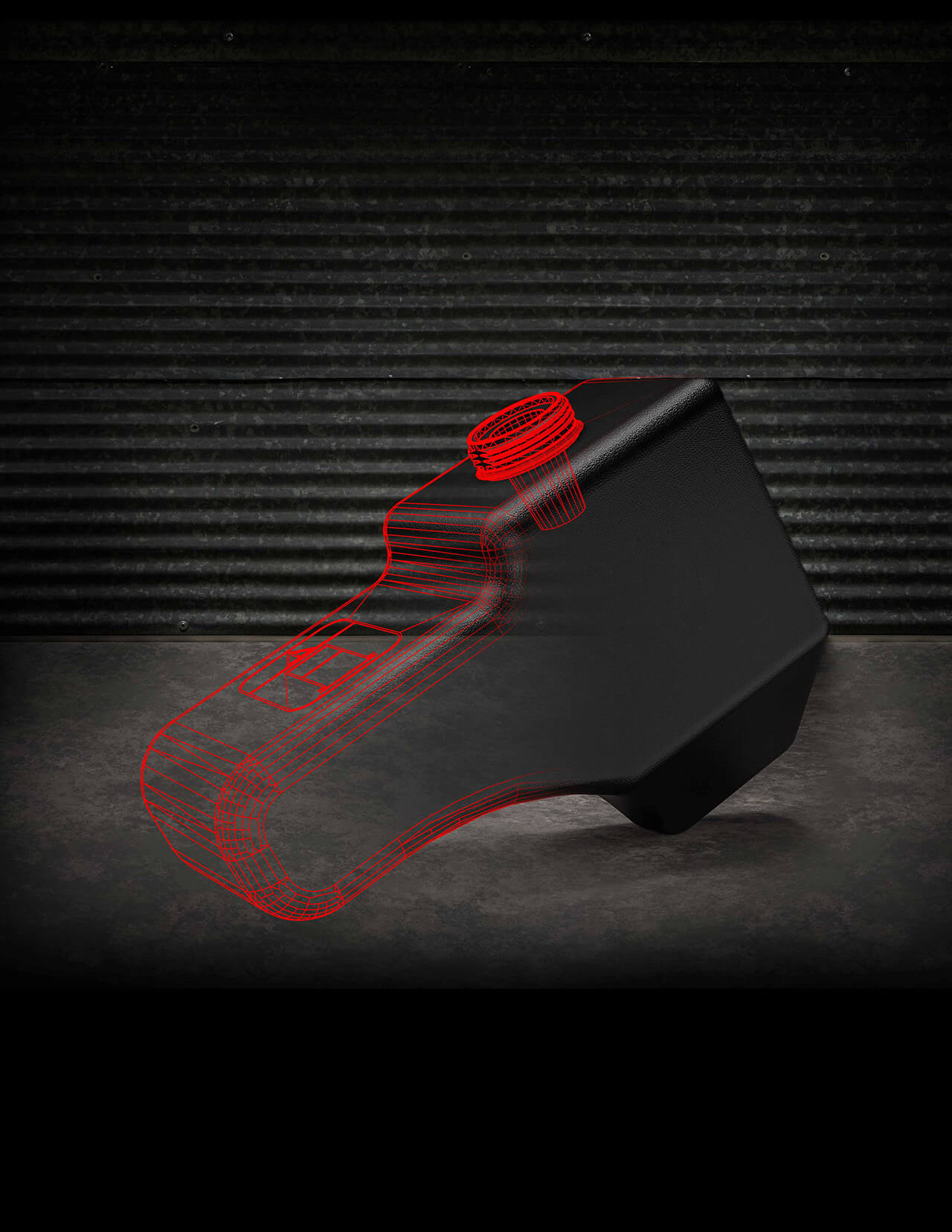
Rotational Molding Applications: Where the Process Delivers the Most Value
Rotational molding is used across a wide range of industries because it produces durable, lightweight, and cost-effective hollow products. The process is particularly valuable when products must withstand challenging environments while maintaining long service life.
What Industries Commonly Use Rotational Molding?
Industries Gemstar Commonly Serves
Many rotational molding applications are found in:
- Agriculture
- Material handling
- Construction equipment
- Heavy equipment
Broader Industry Applications
The process is also widely used in:
- Marine
- Watercraft
- Outdoor recreation
- Playground equipment
- Traffic control
- Fluid storage and handling

What Types of Products Are Best Suited for Rotational Molding?
Common Product Categories
Examples include:
- Storage tanks
- Fuel tanks
- Vehicle fenders
- Dashboards
- Covers
- Enclosures
- Hoppers
- Storage bins
- Dock floats
- Kayaks
- Coolers
- Traffic barriers
- Playground components
Ideal Product Characteristics
The best candidates are often:
- Large
- Hollow
- Durable
- Impact resistant
- Exposed to harsh environments
- Required to remain lightweight
Why Is Rotational Molding Preferred for These Applications?
Main Reasons
Manufacturers frequently choose rotational molding because it offers:
- Lower tooling investment
- Strong durability
- Corrosion resistance
- Lightweight construction
- Complex shape capabilities
- Strong value relative to performance
Rotational molding enables high-value parts with excellent durability while maintaining reasonable manufacturing costs.
What Design Considerations Make a Product Ideal for Rotational Molding?
Good Candidates
Rotational molding is often a strong fit for products requiring:
- Hollow construction
- Complex geometries
- Impact resistance
- Exposure to harsh environments
- Corrosion resistance
- Lightweight performance
Important Design Factors
Engineers should evaluate:
- Material selection
- Impact requirements
- Chemical exposure
- Operating temperature
- Wall thickness requirements
- Dimensional tolerance expectations
- Part shrink characteristics
- Structural rigidity requirements
- Compliance/EPA regulations
- Part weight to strength trade-offs
These early design considerations help ensure the selected material and manufacturing process align with product performance requirements.
Closing Thoughts
Rotational molding is not the right solution for every product, but it continues to be one of the most effective manufacturing methods for large, hollow, durable components. When design flexibility, corrosion resistance, impact performance, and tooling economy are priorities, rotational molding remains a compelling option for OEMs.


