
CUSTOM PARTS > ROBOMOLDING CAPABILITIES

ROBOMOLD® ROBOTIC ROTATIONAL MOLDING FOR PRECISION OEM PARTS

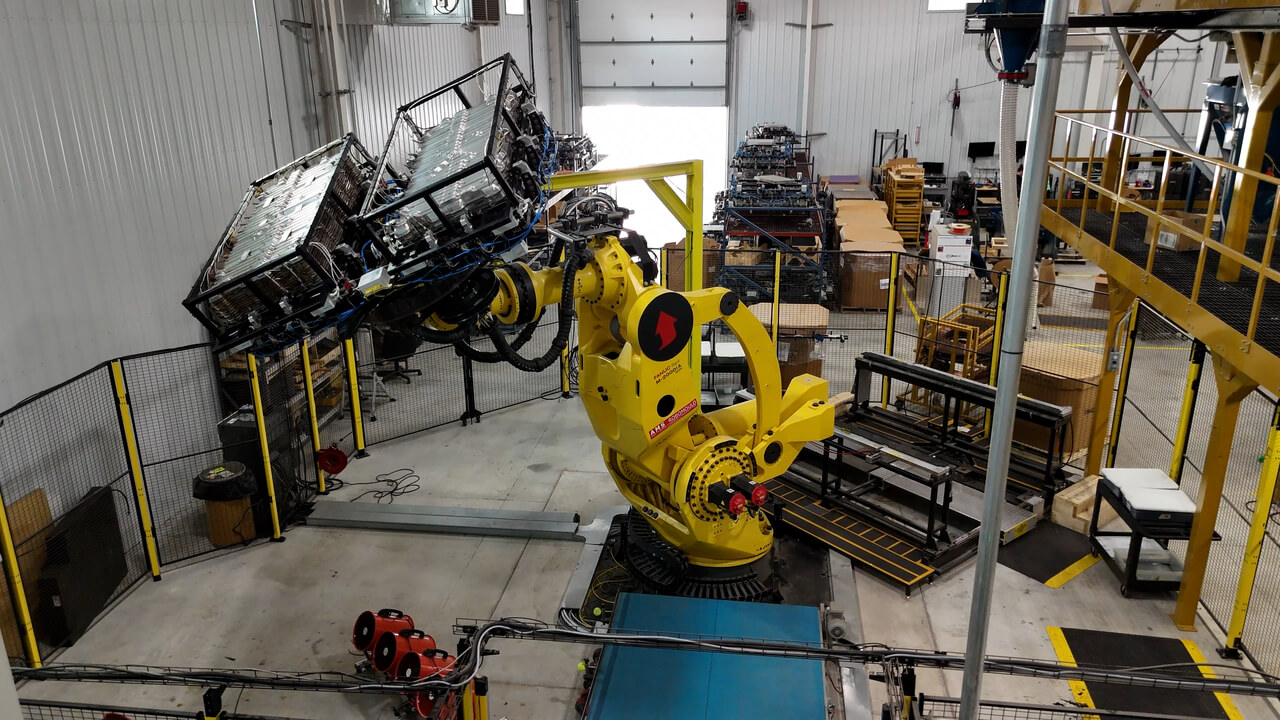
Gemstar is the first and only manufacturer in the United States to offer robotic rotational molding. Our proprietary Robomold ® technology gives OEM, military, and industrial manufacturers access to precision, repeatability, and design capabilities that conventional rotational molding cannot deliver.

If your part has pushed the limits of what traditional rotomolding can reliably produce, Robomold is the answer.

REQUEST A QUOTE
FIRST & ONLY IN THE U.S

THE FIRST AND ONLY ROBOTIC ROTATIONAL MOLDING MANUFACTURER IN THE UNITED STATES

25-30%

CYCLE TIME REDUCTION

MULTI-LAYER

MATERIAL CAPABILITY

MADE IN

CANNON FALLS, MN

WHAT IS ROBOMOLDING

Robomolding replaces the fixed-arm carousel of traditional rotational molding with a six-axis robot and an electrically heated mold with multiple independent heating zones. Instead of moving a mold through a large oven, Robomold applies direct, controlled heat to specific areas of the mold with a level of precision a conventional process cannot match.

The result is temperature control, material distribution, and part consistency that opens up geometries, materials, and tolerances previously out of reach for rotomolded parts.

ADVANTAGE OF ROBOTIC ROTATIONL MOLDING
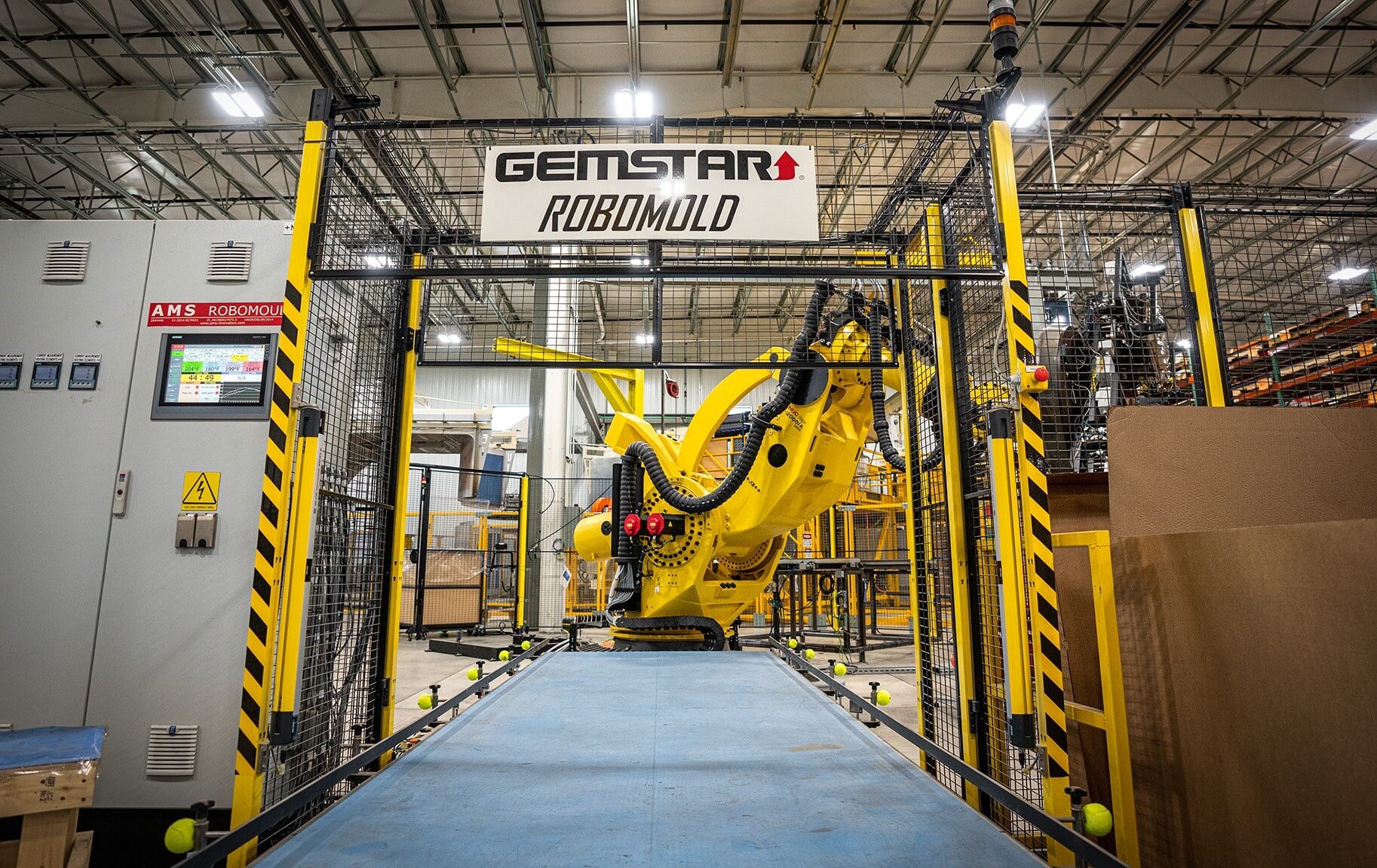
Robomold delivers a set of capabilities that no other rotomolding
process can match.

  • Tighter tolerance control through precision heat and material distribution
  • Consistent part-to-part repeatability with automated process monitoring and cycle data collection
  • Multi-layer construction: different compounds and coatings layered into a single finished part
  • Complex internal geometries not achievable with conventional rotomolding
  • Compatibility with highly engineered specialty resins
  • 25-30% cycle time reduction with little to no scrap
  • Significantly lower energy consumption than conventional oven-based rotomolding
  • Can consistently produce lighter weight parts by reducing wall thickness

MATERIALS USED IN ROBOMOLDING
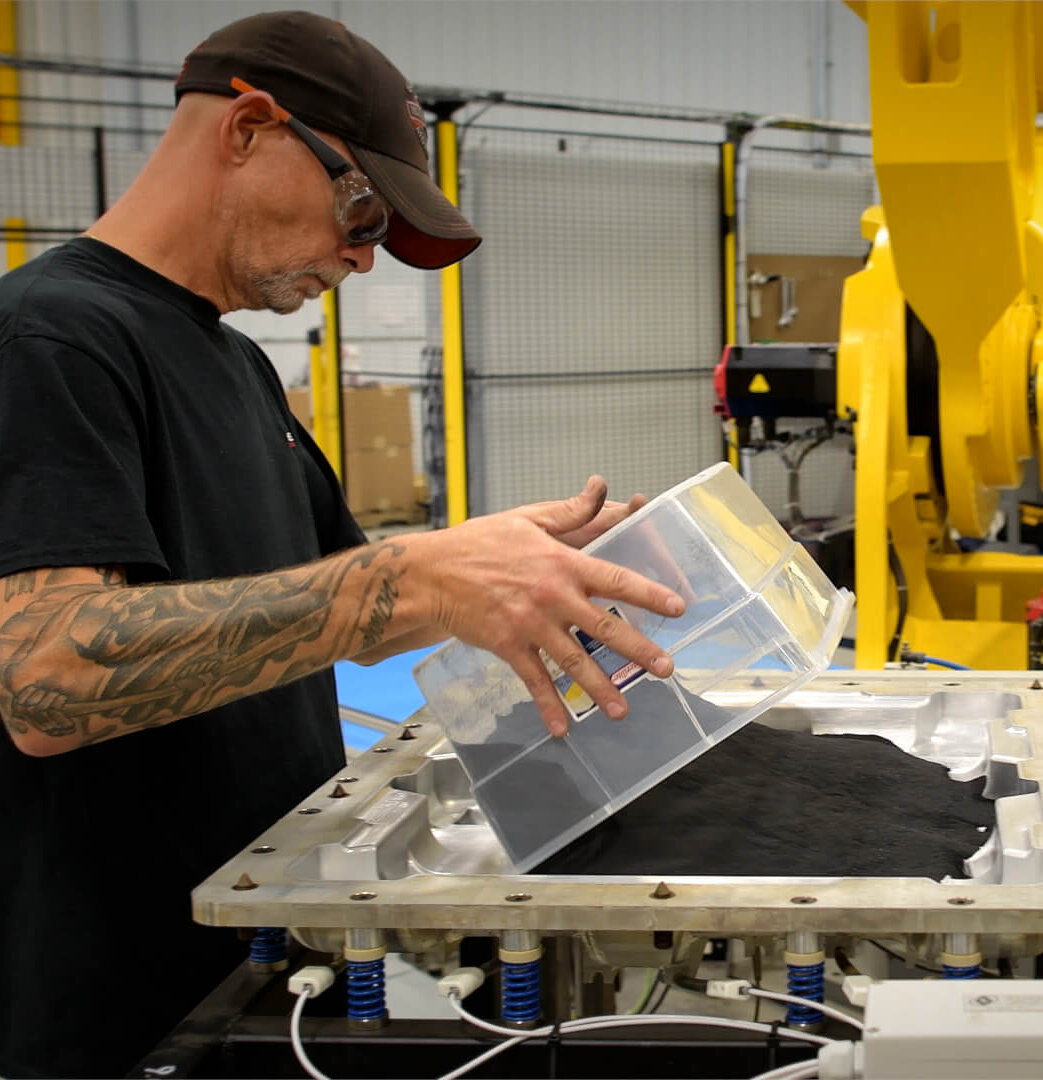
Robomold supports the full range of polyethylene materials available with traditional rotomolding, plus a broader set of specialty resins that conventional rotomolding cannot reliably process. The precision zone-controlled heating of the robotic system is what makes these materials viable, including acetal copolymers engineered specifically for fuel and hydraulic applications that require EPA compliance.

ROBOMOLD APPLICATIONS FOR AGRICULTURE, CONSTRUCTION, HEAVY MACHINERY, MILITARY, AND MORE

Robomold is the right process when your application has outrgrown what conventional rotomolding can reliably produce.

WHEN TO SPECIFY ROBOMOLD

Fuel and hydraulic tanks requiring EPA compliance

Any application where part consistency and process traceability are non-negotiable

Parts requiring multi-layer application or construction

OEM precision parts with complex internal geometries

Military and aerospace components with tight tolerance and material requirements

PROVEN WHERE CONVENTIONAL ROTOMOLDING CAN'T GO
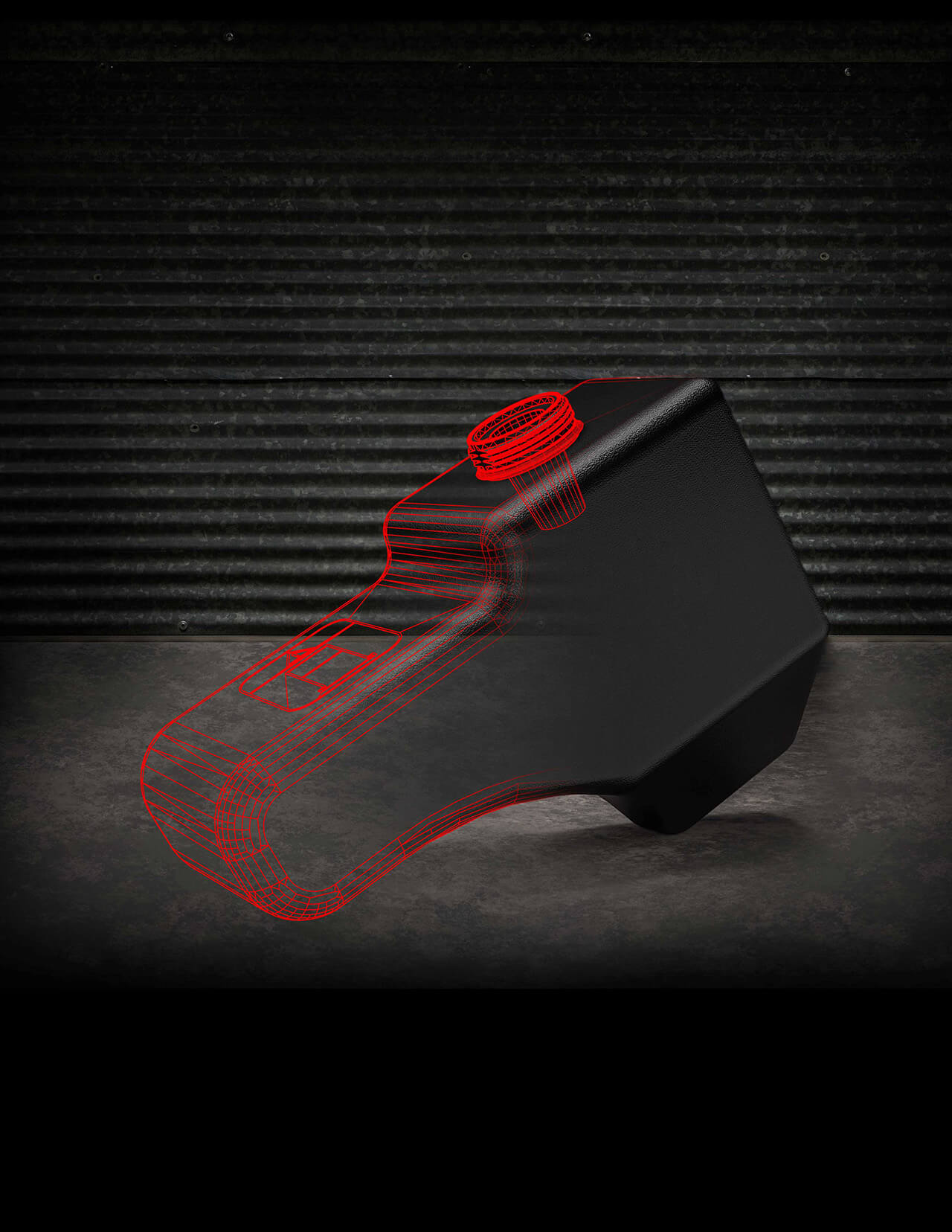
When a groundskeeping equipment manufacturer needed a fuel tank with an internal funnel feature to meet EPA anti-spill requirements, conventional rotational molding could not consistently produce it. Gemstar’s engineering team designed a specialty in-house tool and used Robomold’s focused heat control to solve the geometry challenge.

ROBOMOLDING® FAQS

What is robotic rotational molding (Robomolding®) in plastic manufacturing?
Robotic rotational molding, or Robomolding®, is an advanced version of traditional rotomolding that uses a six-axis robot and electrically heated molds to precisely control heat and material distribution throughout the process. Instead of moving a mold through a large oven, Robomold applies direct, zone-controlled heat to specific areas of the mold, enabling a level of accuracy conventional rotomolding cannot achieve. This precision allows for tighter tolerance control, more consistent material placement, and improved part-to-part repeatability. It also enables advanced capabilities like multi-layer construction with different compounds and coatings integrated into a single part. The result is a process that expands what’s possible with rotational molding, making it a strong fit for OEM parts that demand precision, complex geometry, and consistent performance.
What are the advantages of robotic rotational molding?
Robotic rotational molding combines the durability and design freedom of traditional rotomolding with a higher level of precision, consistency, and efficiency. Robomold delivers tighter tolerance control through precise heat and material distribution, resulting in more accurate, repeatable parts. Automated process monitoring ensures consistent output across production runs. The process also enables multi-layer construction, supports complex internal geometries, and is compatible with highly engineered specialty resins. Compared to conventional rotomolding, Robomold reduces cycle times by 25 to 30 percent, minimizes scrap, and significantly lowers energy consumption by eliminating large oven-based heating systems. For OEM manufacturers, that translates to better performance, improved efficiency, and more design flexibility.
How does robotic rotational molding work?
Robotic rotational molding follows a controlled, multi-stage process: load, heat, rotate, cool, and demold. Resin is loaded into a mold mounted to a six-axis robotic arm. Instead of moving through an oven, the mold contains multiple independently controlled heating zones that apply direct heat exactly where it’s needed. As the robot rotates the mold along a programmed path, the material melts and coats the interior evenly. The mold then enters a controlled cooling phase while continuing to rotate, allowing the part to solidify with consistent geometry and wall thickness. Once cooled, the mold is opened and the finished part is removed for trimming or assembly. Because heat, motion, and material flow are tightly controlled, Robomold delivers a level of consistency and repeatability not achievable with conventional rotomolding.
What materials are used in robotic rotational molding?
Robotic rotational molding supports the full range of polyethylene materials used in traditional rotomolding, including HDPE and LLDPE, while expanding the range to include highly engineered specialty resins. This is made possible by Robomold’s zone-controlled heating, which allows materials to be processed within tighter, more precise temperature ranges. Materials that are difficult to run in conventional rotomolding can be processed more consistently. These include advanced resins such as acetal copolymers used in fuel that require EPA compliance and hydraulic systems requiring high-temp specialty nylons (PA6, PA11, and PA12). For OEMs, this expands material options while maintaining consistent part quality and performance.
What industries use robotic rotational molding?
Robotic rotational molding is used in many of the same industries as traditional rotomolding, including OEM equipment, industrial manufacturing, material handling, agriculture, marine, construction, and fluid handling systems. Where Robomold stands apart is in applications that push beyond the limits of conventional rotomolding. If a part requires tighter tolerances, improved repeatability, complex geometry, or engineered materials, robotic rotational molding is often the better fit. For OEMs developing next-generation products or solving performance challenges, Robomold delivers the precision and consistency traditional processes cannot achieve.
What can you make with robotic rotational molding?
Robotic rotational molding is used to produce hollow, structurally demanding, and geometrically complex plastic parts, similar to traditional rotomolding, but with expanded capabilities. Common products include fuel tanks, hydraulic and DEF tanks, industrial enclosures, equipment housings, and structural components. Robomold is especially valuable when designs exceed the limits of conventional processes, including parts with tighter tolerances, complex internal features, multi-layer construction, or advanced material requirements. If your part demands precision, repeatability, and performance, robotic rotational molding is often the right solution.
Can you reduce wall thickness with Robomold® robotic rotational molding?
Yes. Robomold® can achieve thinner and more controlled wall thickness compared to traditional rotational molding due to its precision heat and material distribution. By applying heat exactly where it is needed, the process improves material flow and reduces the need for excess material to ensure coverage. This results in more uniform wall thickness across the part. For OEMs, that often means lighter-weight components, improved strength-to-weight ratios, and reduced material usage without compromising performance. Robomold is currently running parts as thin as .080" thick consistent walls.
Does Gemstar have the capability to produce EPA Certified fuel tanks?
Yes. Gemstar produces EPA-certified fuel tanks using its Robomold® robotic rotational molding technology, offering a fluorination-free alternative to traditional methods. Robomold enables the use of acetal copolymers that provide a single-layer permeation barrier capable of meeting EPA requirements. This eliminates the need for fluorinated coatings commonly used with HDPE tanks. Compared to alternative materials, acetal offers better processability, lower scrap rates, and improved cosmetic quality, while maintaining compliance and performance. The result is a reliable, repeatable solution for OEMs requiring high-performance fuel systems.
How can robotic rotational molding achieve unique geometries that traditional rotational molding cannot?

Robotic rotational molding achieves unique geometries through its combination of six-axis robotic motion and precision, zone-controlled heating. Unlike traditional rotomolding, which relies on two-axis rotation and uniform oven heating, Robomold can control both how the mold moves and where heat is applied. This allows for more precise material placement and improved control over how resin builds within the mold. The result is the ability to produce complex internal features and geometries that would be difficult or impossible with conventional rotational molding. For OEMs, this opens up new design possibilities without sacrificing durability or performance.