
CUSTOM THERMOFORMING SOLUTIONS
FOR OEM APPLICATIONS
Gemstar’s custom thermoforming solutions give OEM manufacturers a precise, cost-effective path to complex plastic parts. Lower
tooling costs than injection molding, tighter surface definition than most alternatives, and a manufacturing partner who handles
design, production, and assembly all under one roof.
For OEM, construction, heavy machinery, material handling, and industrial industries we build thermoformed parts that perform in
the field and hold up over time.
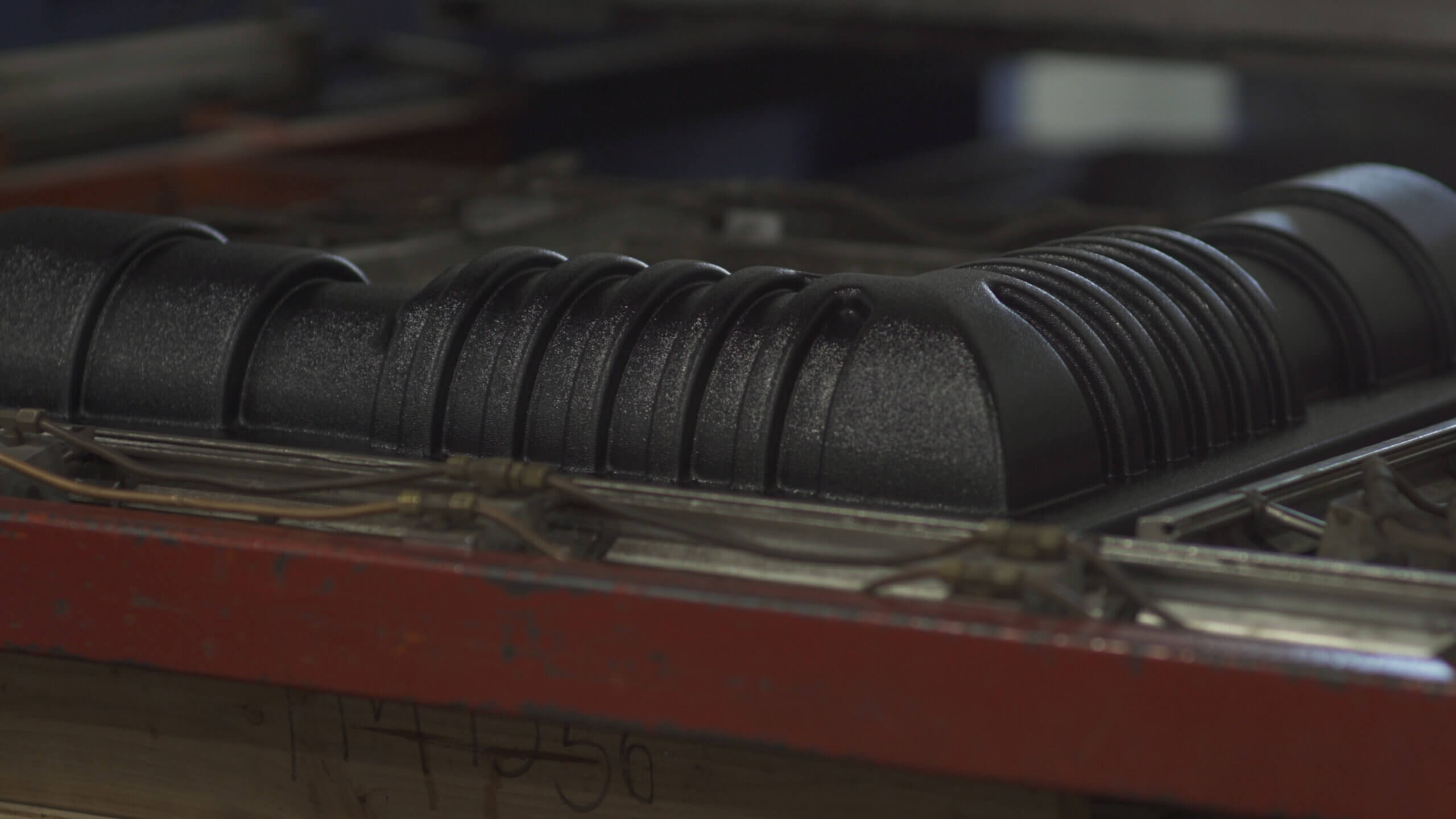
Custom thermoforming for OEM, industrial, and commercial applications
Lower tooling costs than injection molding
Parts delivered fully assembled and ready to install
Made in Cannon Falls, Minnesota
ADDITIONAL ADVANTAGES OF THERMOFORMING
WHAT IS THERMOFORMING IN PLASTIC MANUFACTURING?
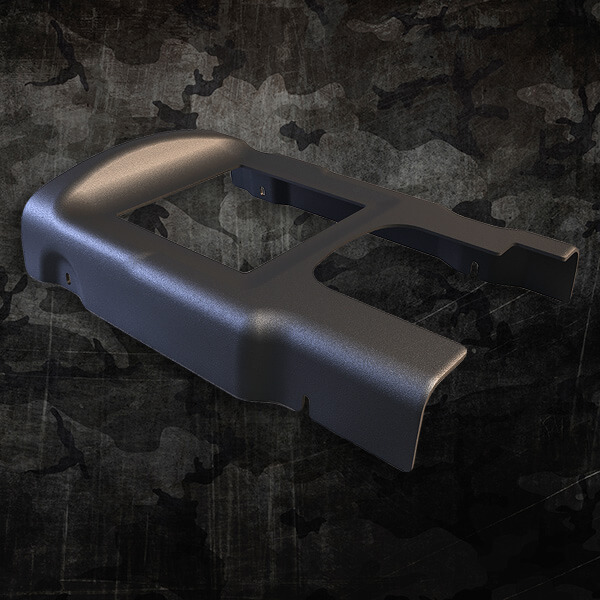
Thermoforming is a plastic manufacturing process in which a flat sheet of plastic is heated until malleable, then stretched over a mold and cooled to form the finished part. The process uses a thermoforming machine to apply controlled heat and pressure, producing parts with precise surface definition and complex geometry from a single sheet of material.
Thermoforming is well-suited for parts that require tight detail on the mold-side surface, deep-draw geometry, or negative-draft features that other processes cannot consistently produce. It is an efficient option for mid-volume OEM production where tooling costs need to stay manageable without sacrificing part quality.
See The Guidelines
THE COST ADVANTAGE
TOOLING COSTS A FRACTION OF INJECTION MOLDING
For OEM manufacturers producing 500 to 10,000 parts, thermoforming delivers a cost per part and tooling investment that fits the program, without the high upfront investment injection molding requires.
Ideal for OEM programs producing 500-10,000 parts.
ADDITIONAL ADVANTAGES OF THERMOFORMING
Thermoformed plastic components resist corrosion without coatings, will not permanently dent under impact the way metal does, and come in lighter, reducing mechanical strain on motors and making equipment easier to operate.
CORROSION RESISTANT
Resists corrosion without coatings, so there's no recurring finish maintenance.
IMPACT DURABLE
Will not permanently dent under impact the way metal does.
LIGHTWEIGHT
Lighter components reduce mechanical strain and make equipment easier to operate.
For OEMs in agriculture, construction, material handling, and heavy equipment, that combination of durability and weight reduction matters as much as the cost.
ADDITIONAL ADVANTAGES OF THERMOFORMING
CUSTOM THERMOFORMING CAPABILITIES FOR PLASTIC PARTS
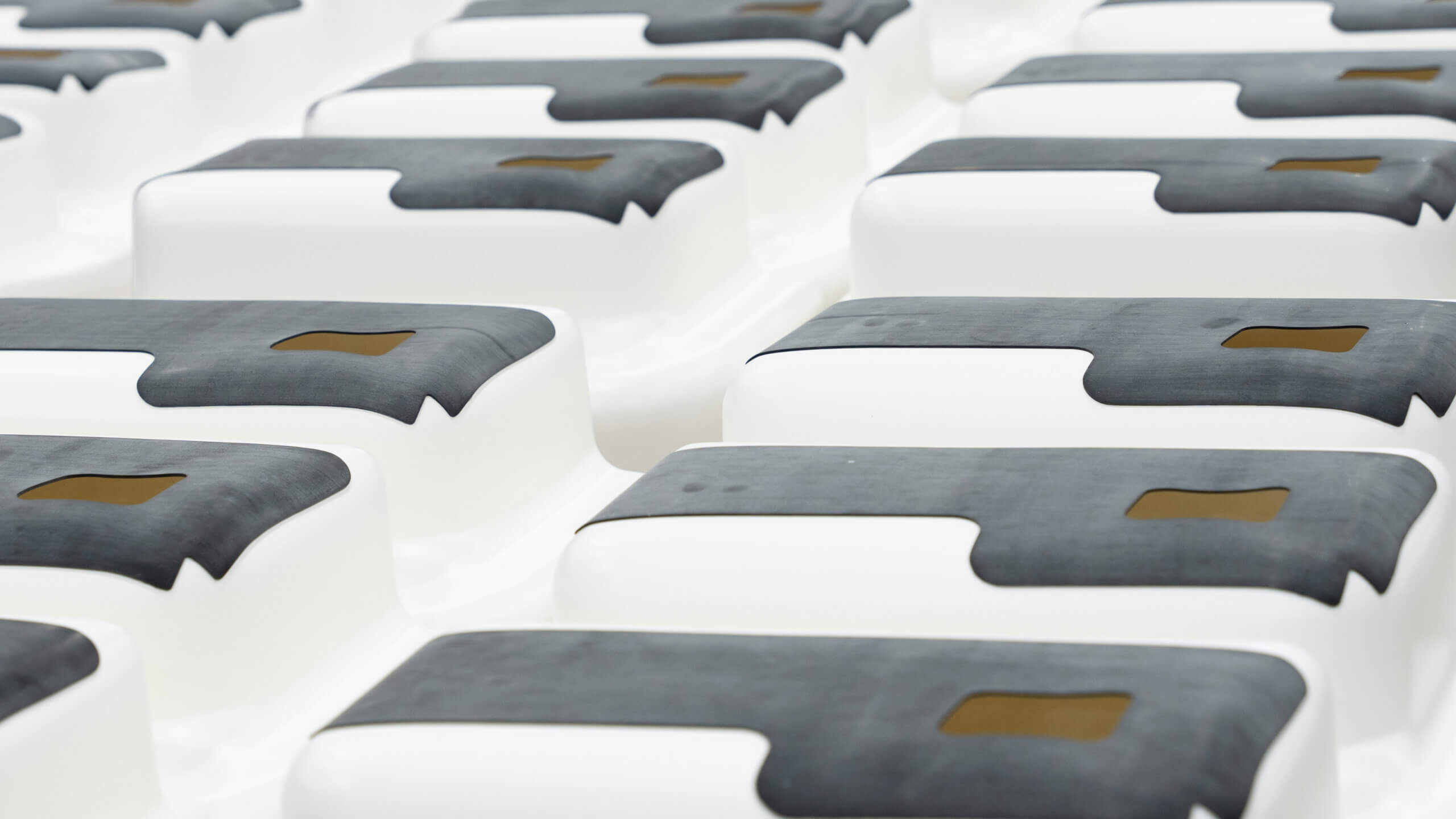
Gemstar’s thermoforming process supports a wide range of design and engineering requirements for OEM programs.
- Low and deep draw parts with consistent wall distribution
- Negative draft details for complex part geometry
- Precise surface definition and sharp feature reproduction
- Multi-piece assembly part sets produced and assembled as matched components
- Custom colors and surface textures
ADDITIONAL ADVANTAGES OF THERMOFORMING
THERMOFORMING MATERIALS AND PERFORMANCE OPTIONS
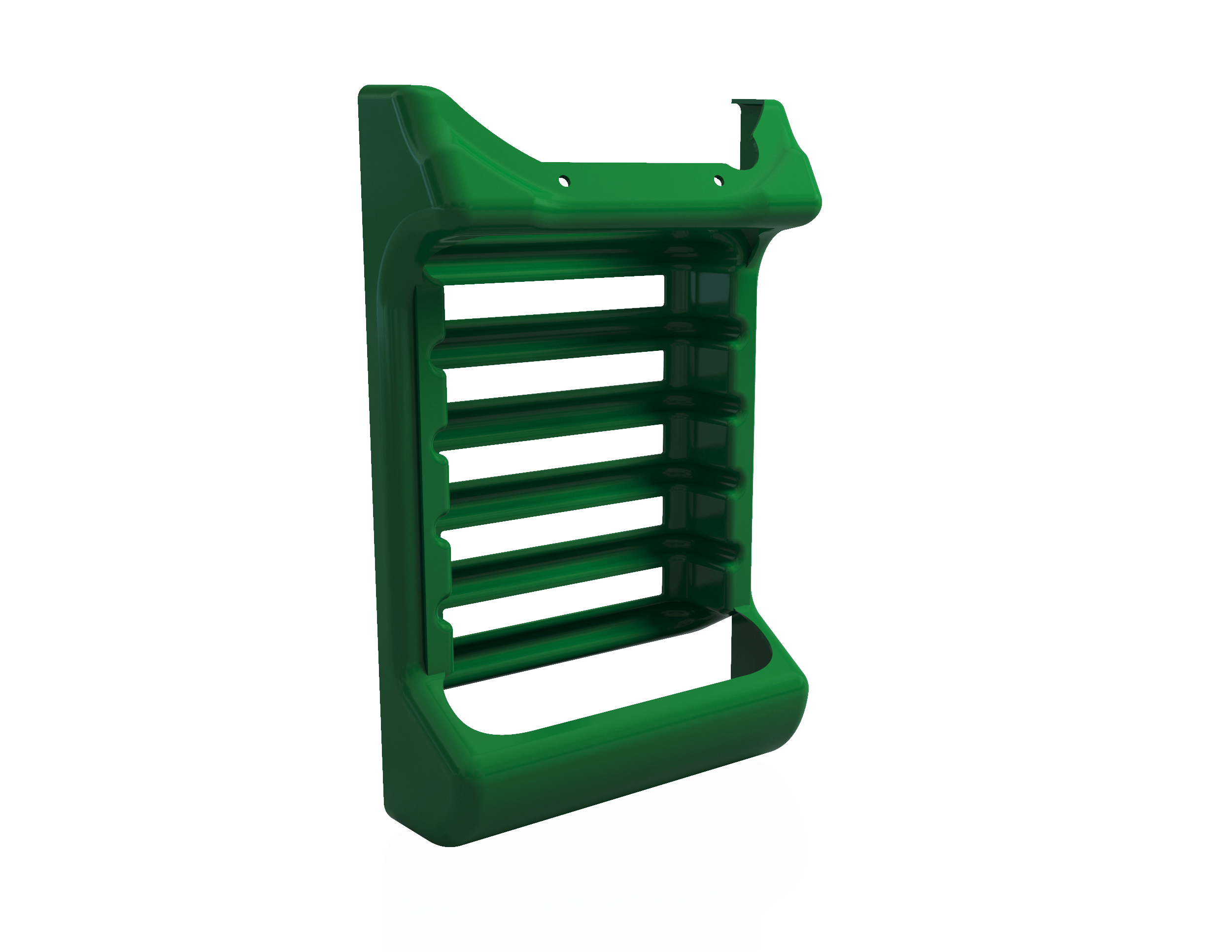
Material selection determines how a thermoformed part performs in its application. Gemstar works with four primary materials, each suited to different performance and application requirements.
- Polyethylene: cost-effective, excellent impact resistance, high strength, UV stable with material stabilizers, good chemical resistance
- Acrylonitrile Butadiene Styrene (ABS): quick cycle times, good overall strength and durability, heat and temperature resistance, UL flame retardant versions available
- Polycarbonate: high impact performance, weather resistant, transparent options available for applications requiring natural light transmission
- Thermoplastic Polyolefin (TPO): high impact strength, good formability, UV and weather resistance, widely used in powersports applications
COMMON APPLICATIONS
OEM equipment housings and panels
Industrial material handling parts and enclosures
Metal-to-plastic conversions where weight reduction and cost efficiency are priorities
Powersports and recreational vehicle components
Food service and commercial equipment components
THERMOFORMING APPLICATIONS ACROSS OEM AND INDUSTRIAL INDUSTRIES
Gemstar's custom thermoformed parts serve manufacturers across a wide range of industries and applications.
ADDITIONAL ADVANTAGES OF THERMOFORMINGFEATURED CASE STUDY
DOUGLAS MACHINE: ABS THERMOFORMED FOOD PACKAGING COMPONENTS
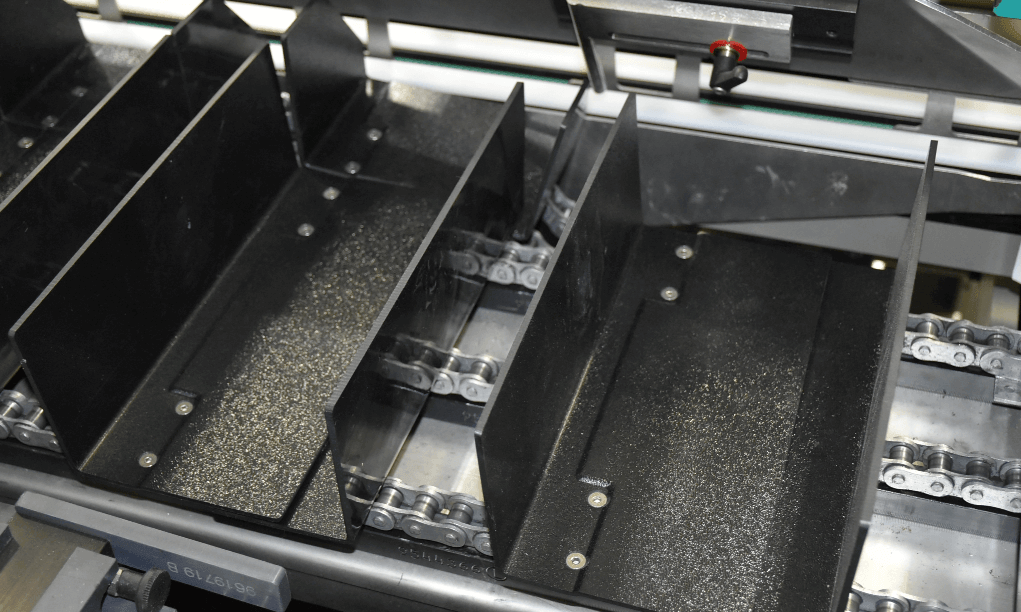
When Douglas Machine needed thermoformed ABS components for a food packaging machine, the design called for tight angle tolerances that standard tooling could not consistently hold. The challenge was compounded by the natural tendency of thermoformed material to flex back toward its original flat sheet position after machining.
Gemstar’s engineering team developed innovative modular tooling construction that solved the problem, delivering parts with tighter tolerances than industry standard and consistent quality across the production run.
READ THE CASE STUDY
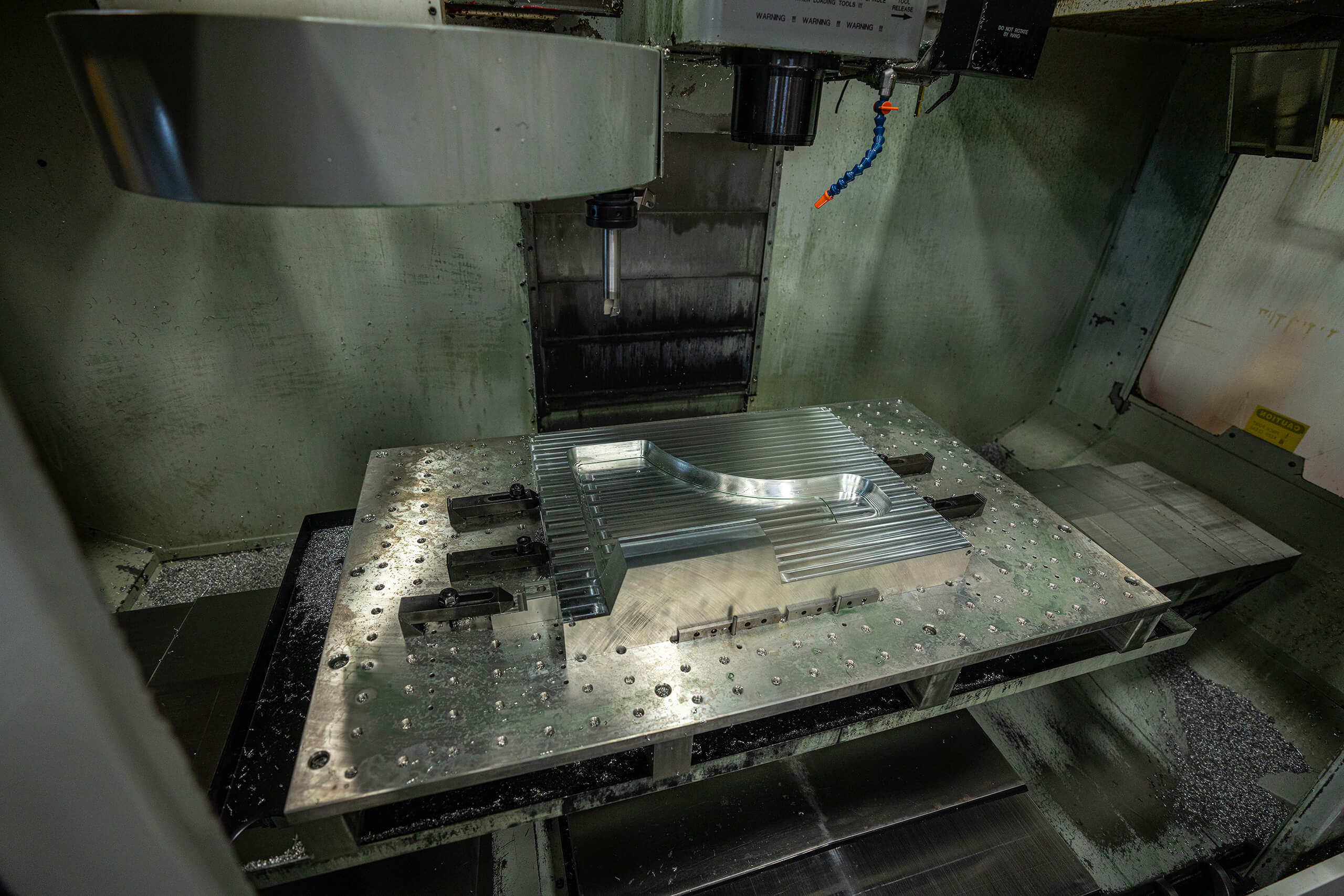
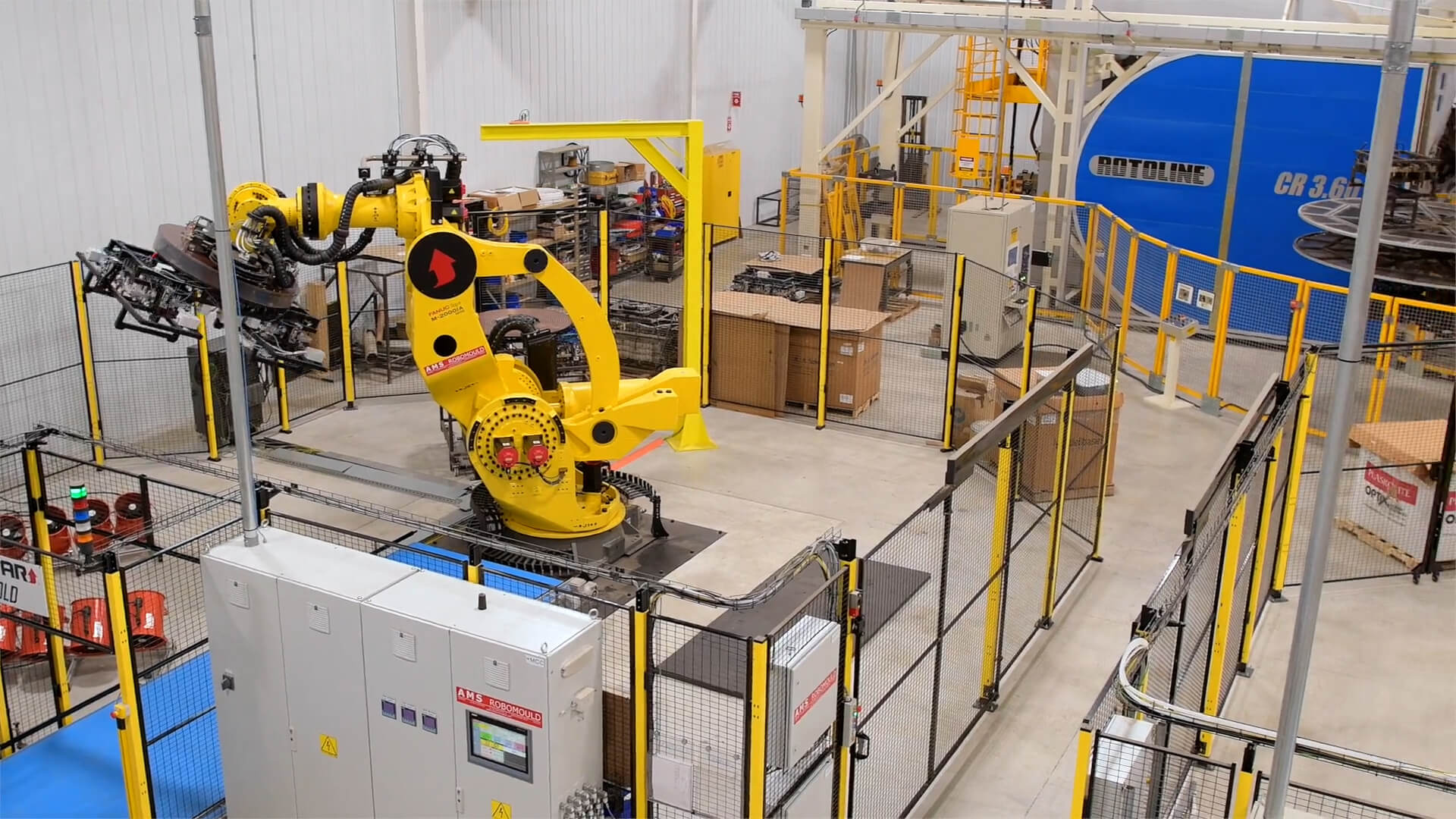
THERMOFORMING IN ACTION
FAQS
What is thermoforming?
What is a thermoforming machine?
How does thermoforming work?
What are the advantages of thermoforming?
How much does thermoforming cost?
What is a thermoformed part?
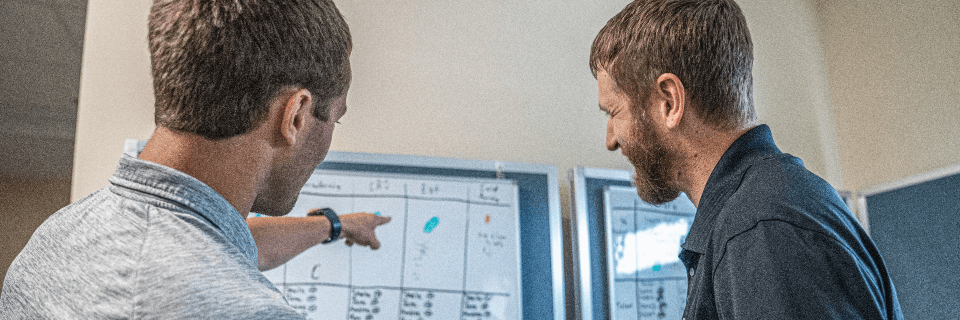
READY TO TALK ABOUT YOUR PART?
Whether you are evaluating thermoforming for a new design, working through a metal-to-plastic conversion, or looking for a more capable manufacturing partner, Gemstar's engineering team is ready to help.
TALK TO AN ENGINEER