CUSTOM PARTS > ROTATIONAL MOLDING

CUSTOM ROTATIONAL MOLDING SOLUTIONS FOR OEM APPLICATIONS

Custom parts you can count on, order after order. Gemstar’s custom rotational molding solutions are built for OEM manufacturers in agriculture, heavy machinery, construction, and material handling who need precision components that perform as designed, withstand demanding environments, and arrive consistently every time.

With deep engineering expertise, in-house tooling and tool maintenance, and a manufacturing process built around OEM production needs, we help you bring better parts to market faster, with the consistency your customers expect.

REQUEST A QUOTE
MADE IN
AMERICA

ENGINEERED AND MANUFACTURED IN CANNON FALLS, MINNESOTA, SERVING OEMS NATIONWIDE.

END-TO-END ENGINEERING

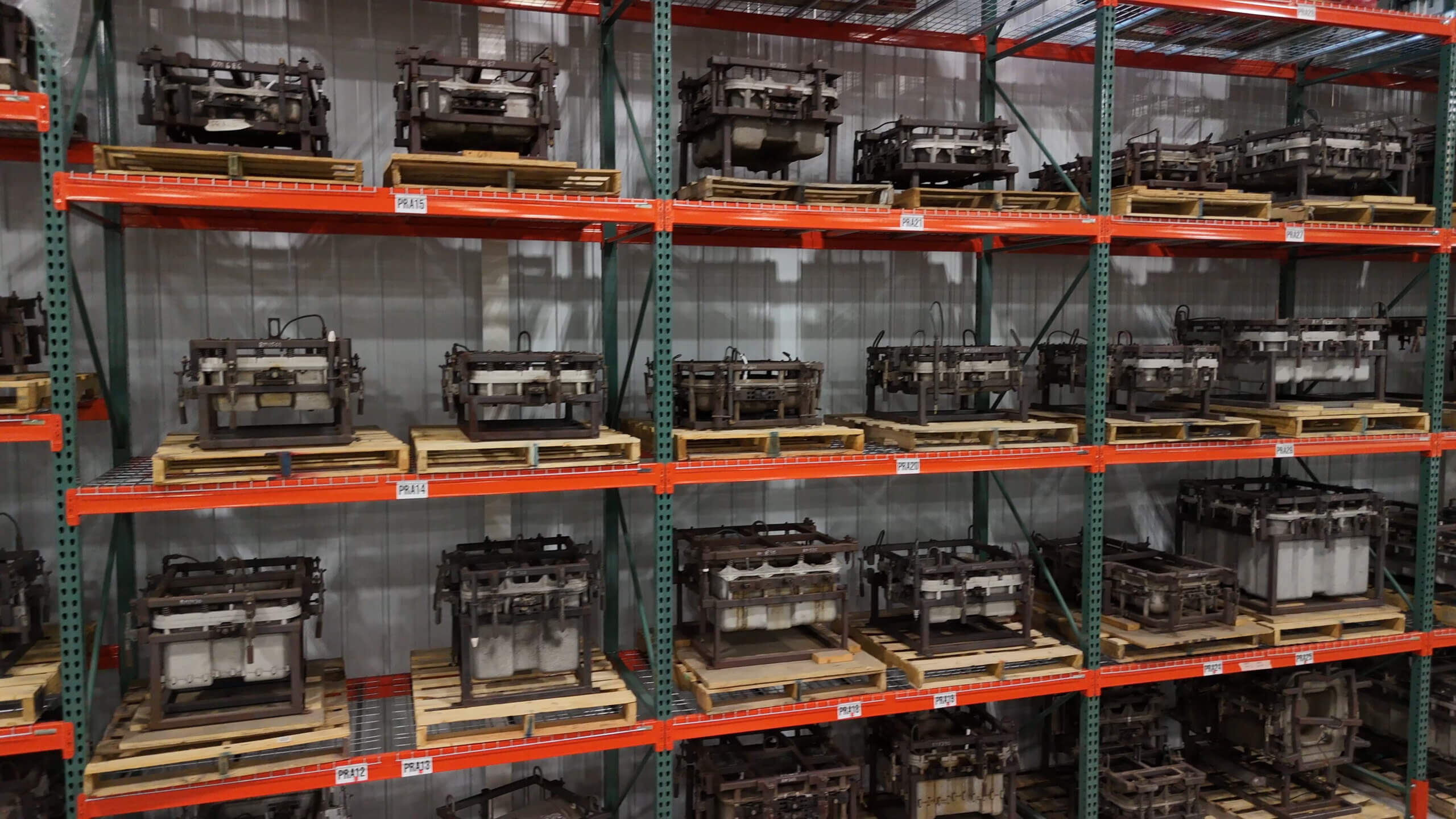
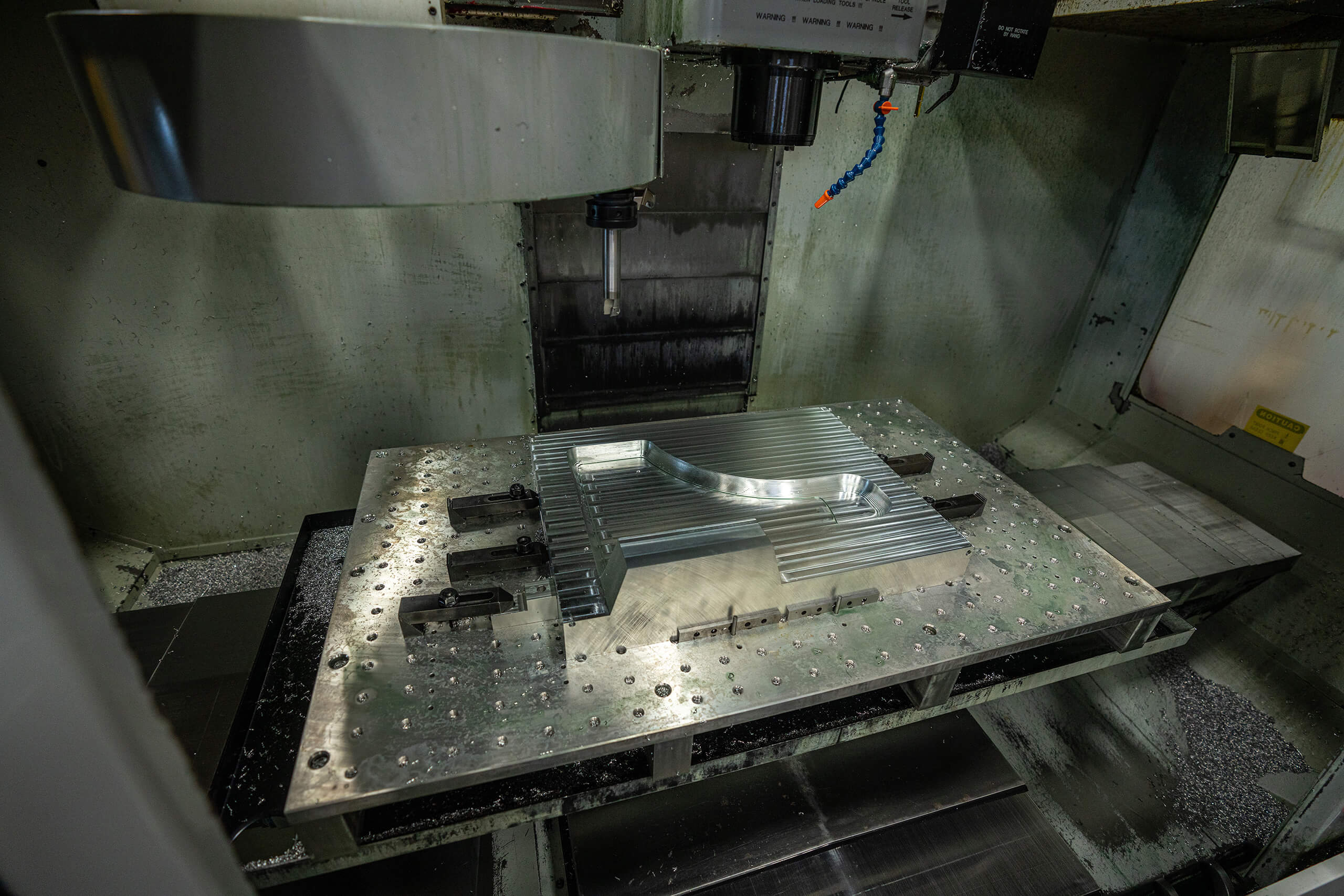
DESIGN SUPPORT FROM INITIAL CONCEPT THROUGH PRODUCTION, WITH CUSTOM TOOLING AND ONGOING TOOL MAINTENANCE IN-HOUSE.

FULLY ASSEMBLED, READY TO INSTALL

PARTS DELIVERED WITH INSERTS, HARDWARE, AND COMPONENTS INSTALLED, FULLY ASSEMBLED AND READY TO GO.

WHAT IS ROTATIONAL MOLDING IN PLASTIC MANUFACTURING
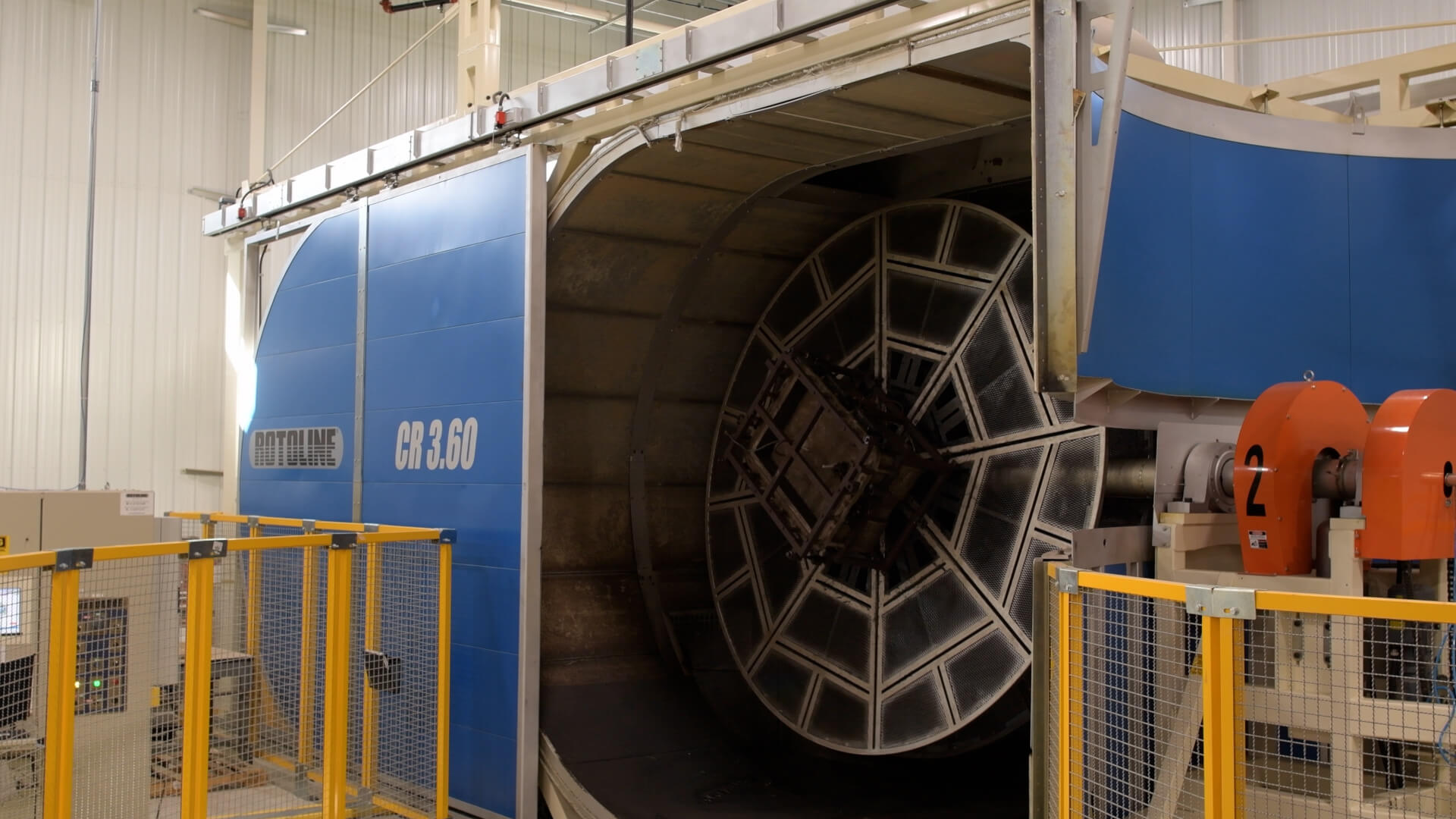
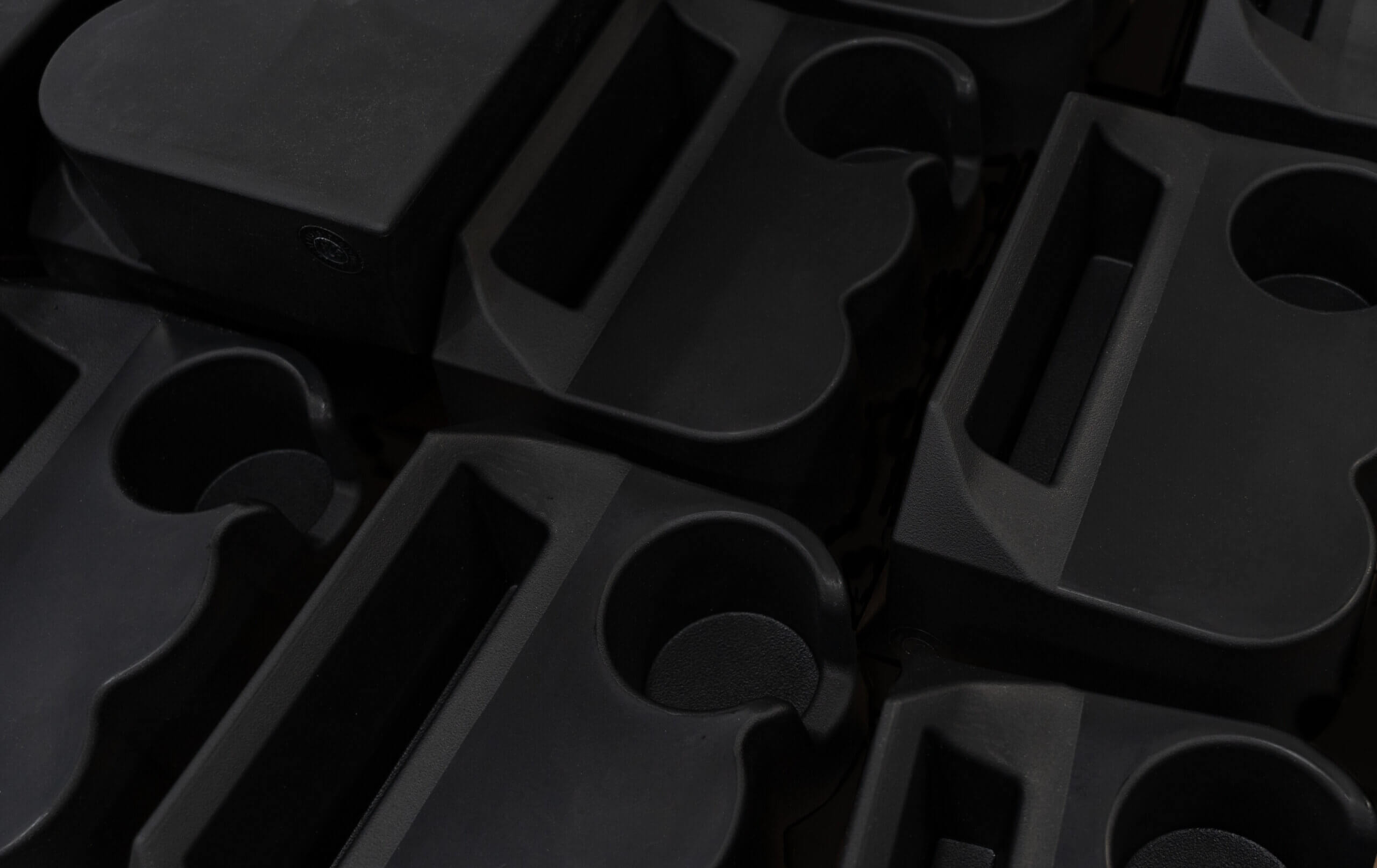
Rotational molding is a biaxial heat molding process for producing hollow plastic parts with complex geometries. Powdered resin is loaded into a closed mold, which is then heated and rotated on multiple axes. The material melts and coats the interior surface evenly before the mold moves through a cooling cycle, and the finished part is removed.

Because no internal pressure is applied during forming, parts come out stress-free with excellent impact strength, capable of shapes and hollow sections that would require multiple fabricated components with other manufacturing methods.

SEE THE GUIDELINES

ADVANTAGES OF ROTATIONAL MOLDING FOR OEM MANUFACTURING
Rotational molding offers a combination of performance, design freedom, and cost efficiency that other plastic manufacturing processes cannot match at mid-volume scale. Single-piece construction eliminates assembly costs and the failure points common in multi-part fabricated components. There are no weld lines, no pressure-induced stress points, and no joints to seal or maintain.

For OEM manufacturers evaluating a metal-to-plastic conversion, rotomolding consistently delivers equivalent or superior structural performance at a fraction of the weight. Tooling costs are significantly lower than injection molding, and aluminum tools move from design to first article faster than most alternatives.

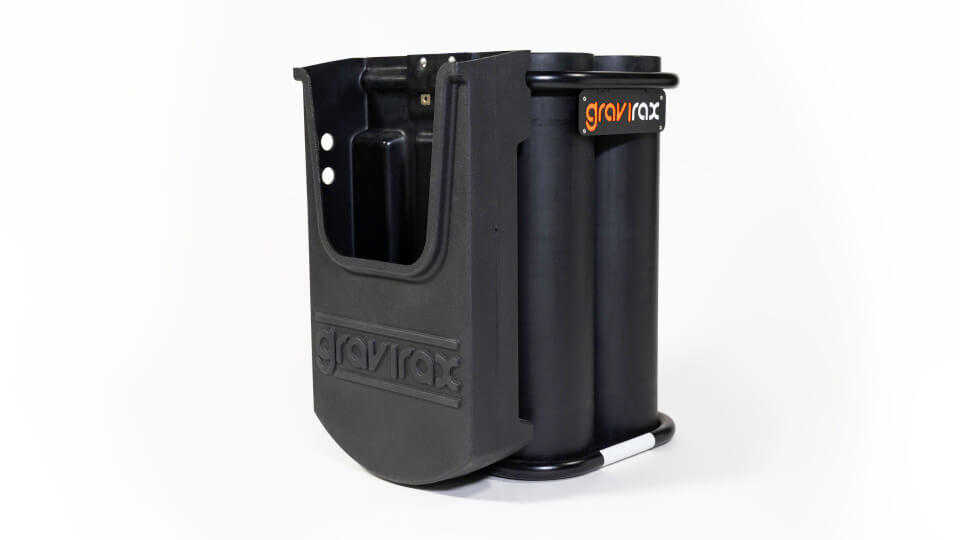
When Gravirax, an outdoor gear company, needed to replace a riveted steel snowboard rack that was denting in the field, other manufacturers said the timeline was not realistic. Gemstar completed the redesign in six months with zero revision notes on the first prototype.

READ THE CASE STUDY

We had drawings and ideas, but no internal resources to execute. Gemstar brought their full engineering team to the table. We couldn’t have done this on our own.”

– CARL WALKER, GENERAL MANAGER, GRAVIRAX

ROTATIONAL MOLDING CAPABILITIES FOR CUSTOM PLASTIC PARTS
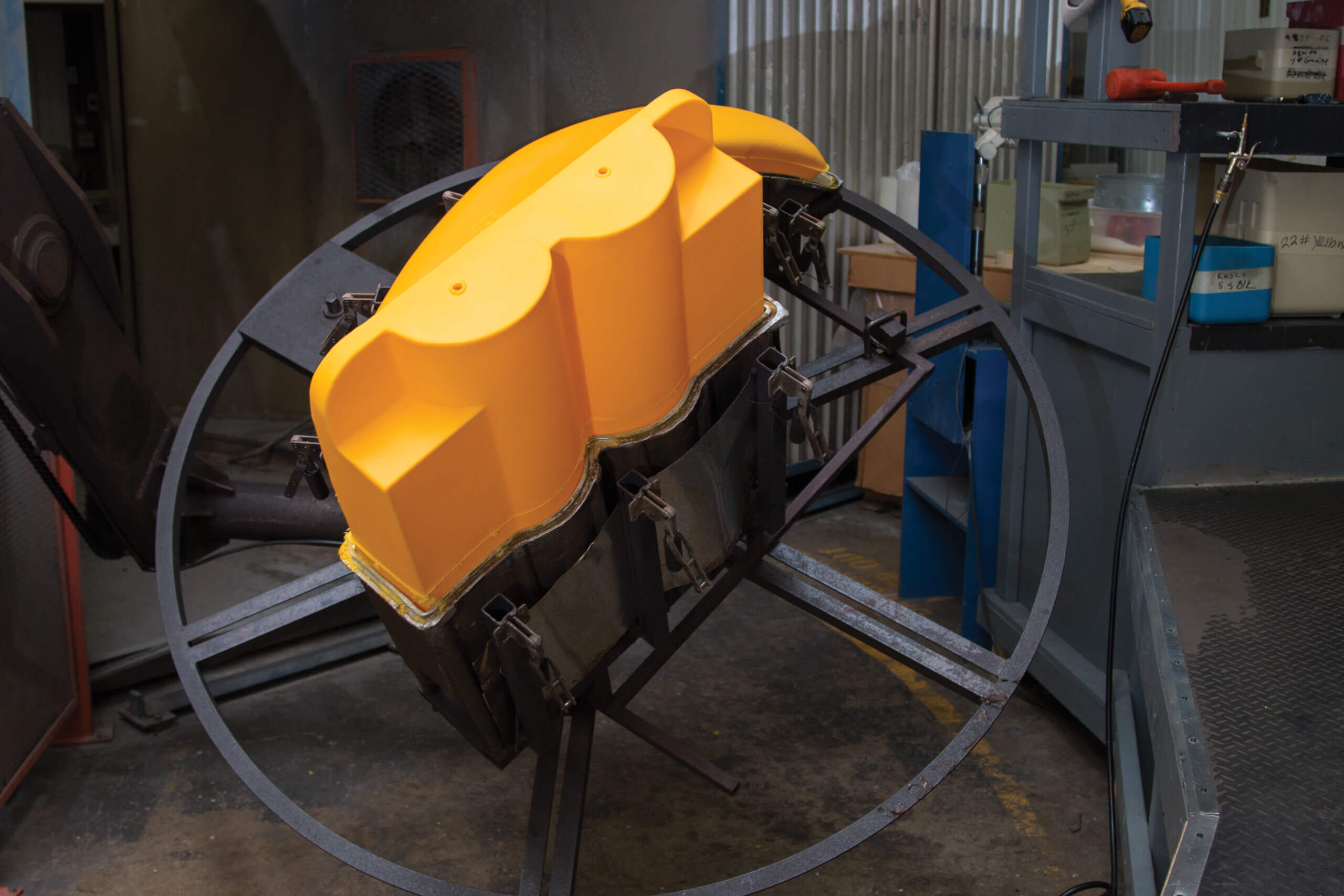
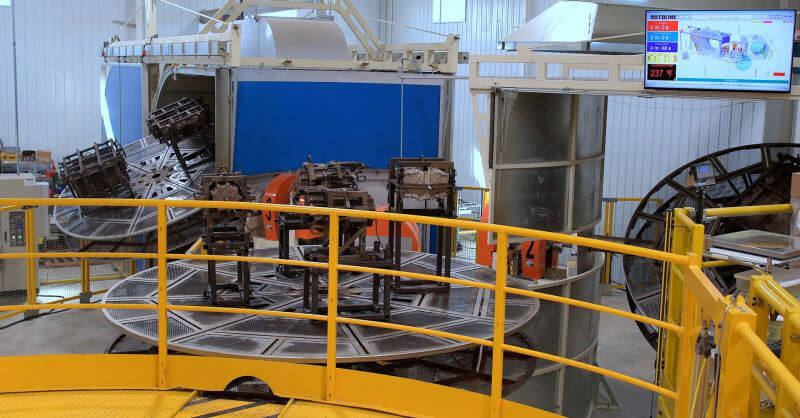
Gemstar’s 3-station rotomolding carousel supports OEM production across a wide range of design requirements.

  • Variable wall thicknesses controlled through mold construction
  • Molded-in metal inserts: threads, fittings, and hardware permanently integrated into the part
  • Embossed and debossed logos and graphics machined directly into the tool
  • Complex one-piece geometries without weld lines or secondary assembly

ROTATIONAL MOLDING MATERIALS AND SPECIALTY PROPERTIES
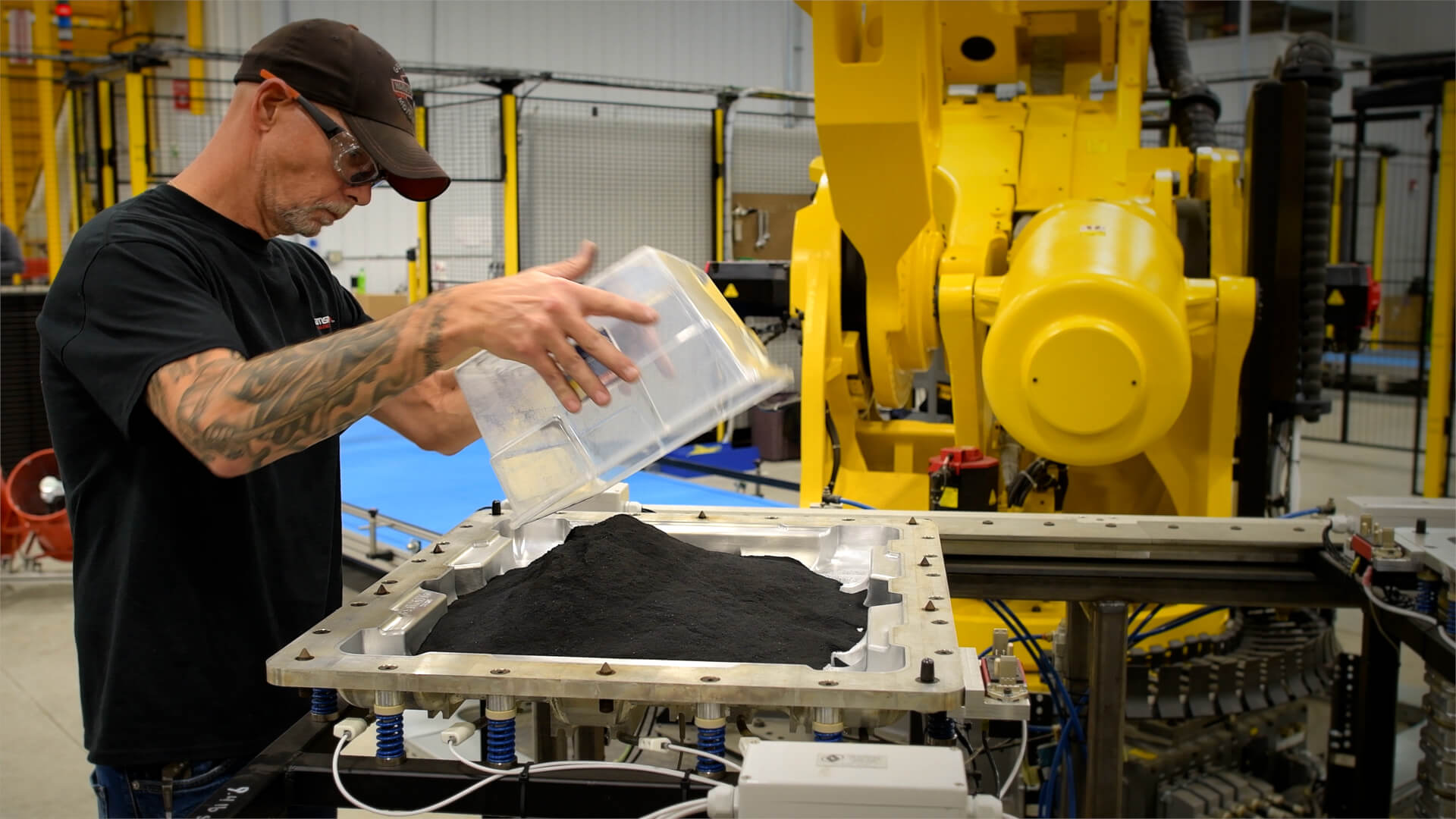
Gemstar specializes in polyethylene rotomolding with a range of materials and the ability to source custom options for specific application requirements.

  • HDPE
  • LLDPE
  • Cross-linked polyethylene
  • Nylon
  • Hostaform® POM RF
  • Acetal
  • NSF/Food/Medical Grade
  • UL-rated flame retardant
  • Conductive
  • RoHS and REACH compliant
  • Custom colors (precompounded
    or colorant-blended)

LET'S TALK MATERIAL SELECTION

FULLY ASSEMBLED PARTS, READY TO INSTALL
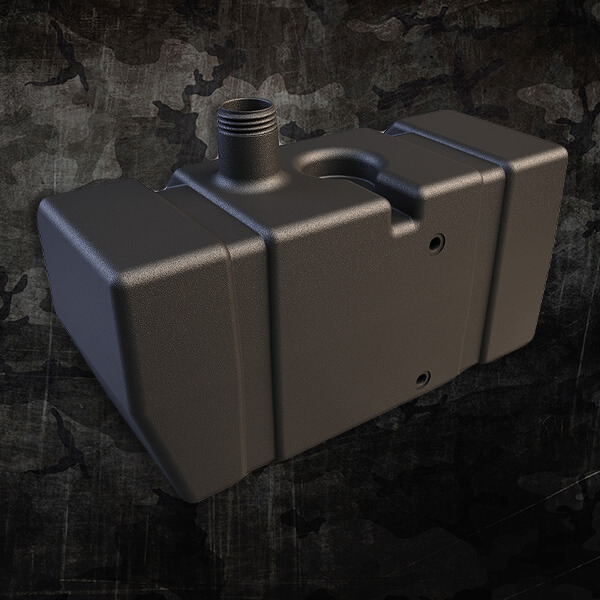
Every Gemstar part ships fully assembled and ready to install. Inserts, hardware, fittings, lids, and any additional components your design requires are installed before the part leaves our facility, so what arrives at your dock is ready to go directly into your product or operation.

For OEM manufacturers, that means one less vendor to manage, one less step in your production workflow, and a simpler supply chain overall. You spec the part, we build it and finish it, and it shows up ready to install.

REQUEST A QUOTE

NEED TIGHTER TOLERANCES?

ASK ABOUT ROBOMOLD®
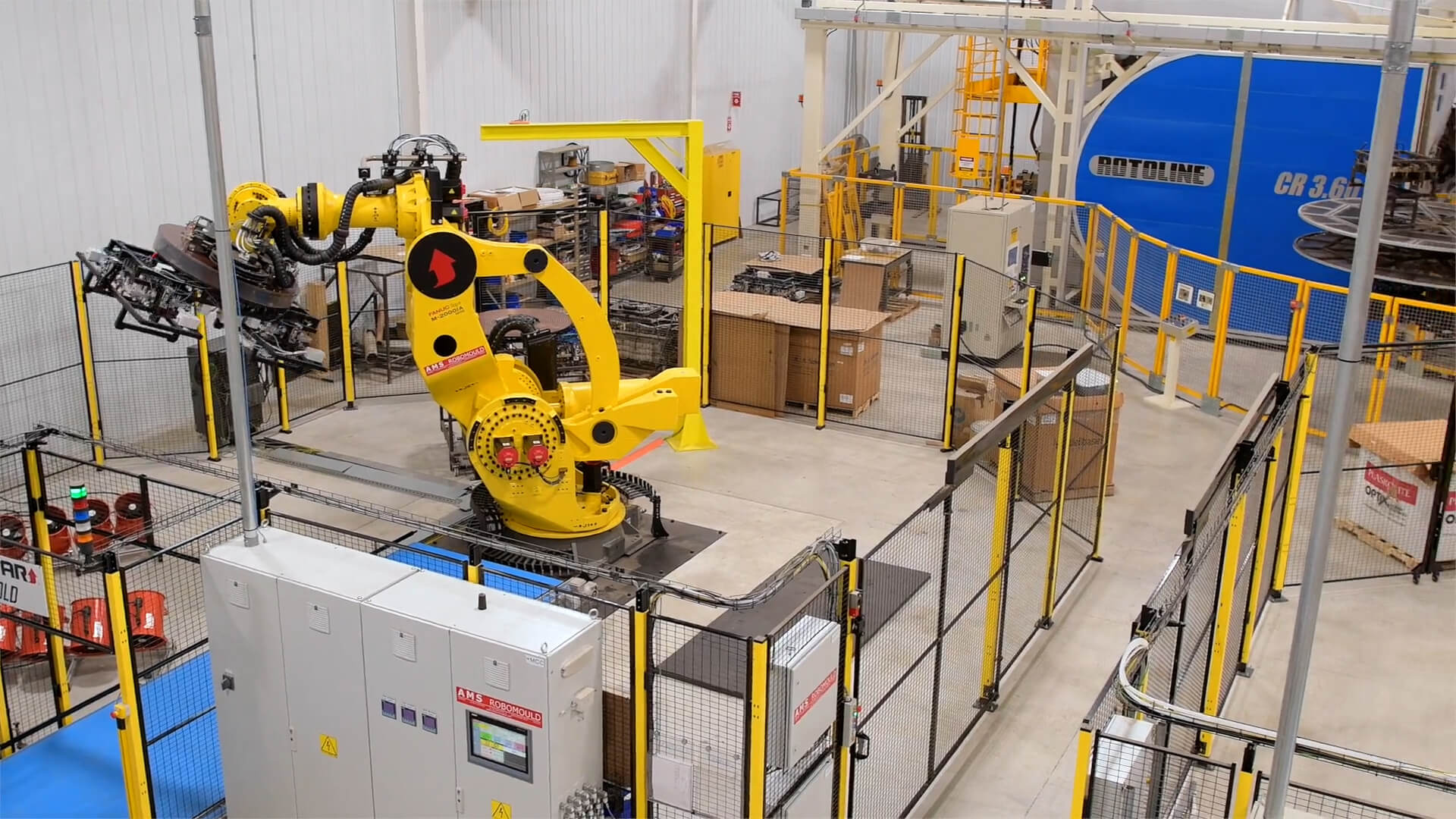
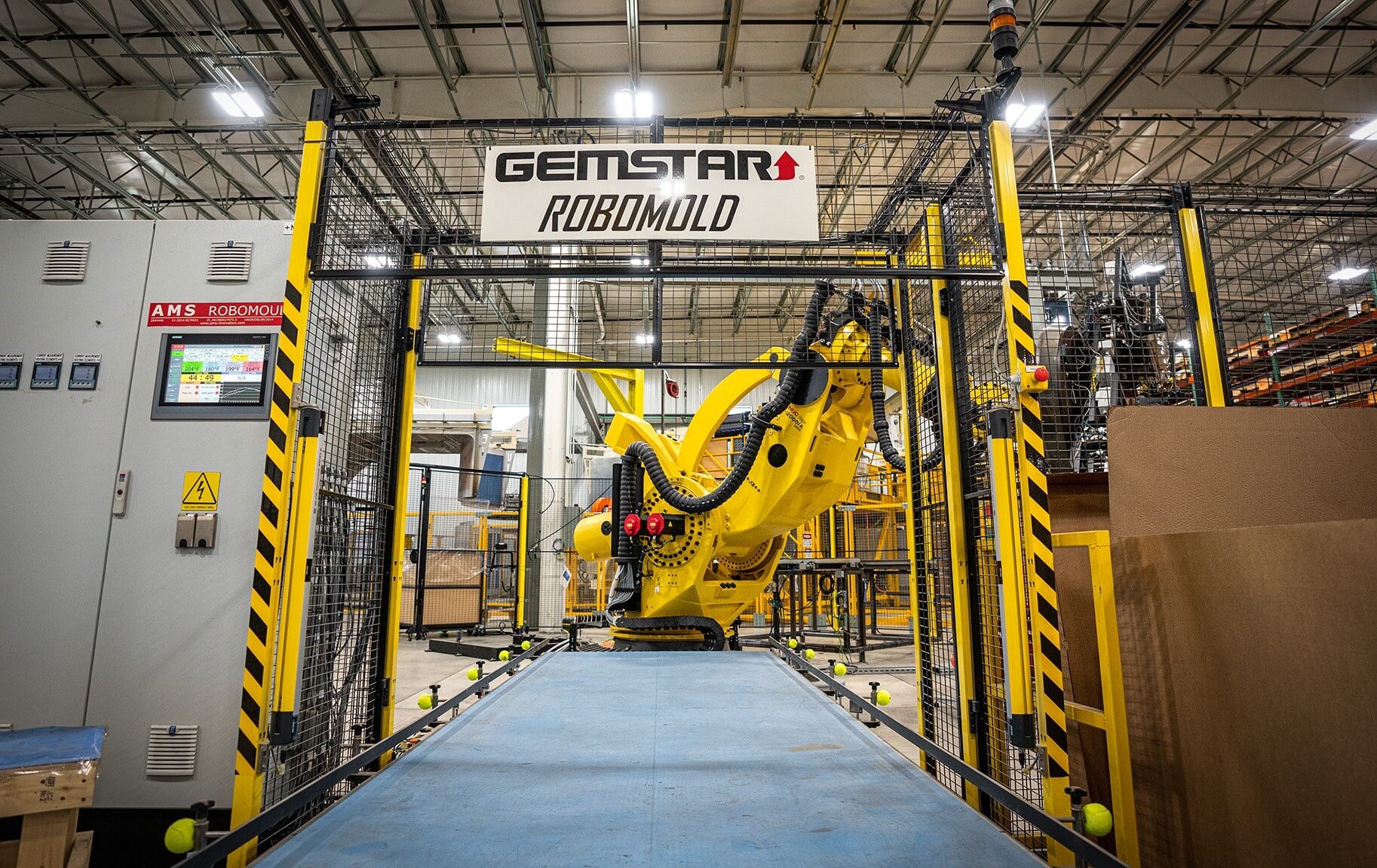
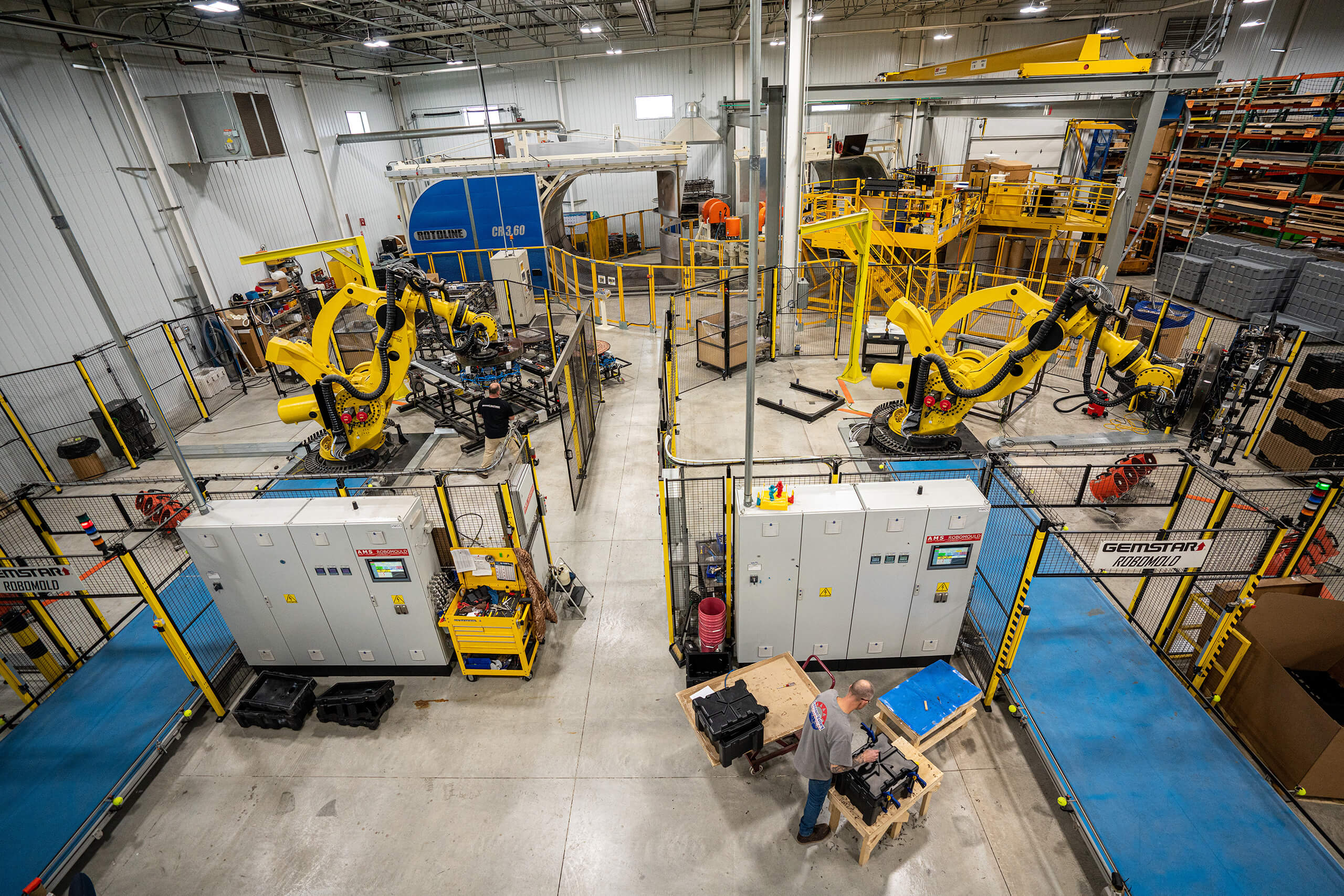
Gemstar is the first and only company in the U.S. to offer robotic rotational molding. Our proprietary Robomold® technology delivers precision heat and material control that traditional rotomolding cannot achieve, including tighter tolerances, improved part-to-part consistency, and dual-layer capability.

LEARN ABOUT ROBOMOLD

FAQS

What is rotational molding in plastic manufacturing?
Rotational molding (often shortened to rotomolding) is a heat-based plastic manufacturing process that produces hollow, seamless parts with complex geometries. Powdered resin is loaded into a closed mold, then heated and rotated on two axes simultaneously. As the mold spins, the melted resin coats the interior walls evenly, forming a single-piece part with no weld lines, no internal stress, and excellent impact strength. Once the part cools, the mold opens and the finished component is removed. It's the right process for durable, hollow parts produced in OEM volumes of 500 to 10,000 units a year. Common applications include tanks, enclosures, housings, and structural components built to last in demanding environments.
What are the advantages of rotational molding?
Rotational molding gives OEM manufacturers a combination of design freedom, structural performance, and cost efficiency that other plastic manufacturing processes can't match at mid-volume scale. Because parts are formed without internal pressure, they come out stress-free and impact-resistant, with no weld lines or assembly seams to fail in the field. Compared to injection molding, rotational molding offers significantly lower tooling costs and quicker upfront lead times, while enabling complex hollow geometries to be molded as a single piece, eliminating downstream assembly and the failure points that come with it. For OEMs converting from metal, rotomolding consistently delivers equivalent or better structural performance at a fraction of the weight, with stronger corrosion resistance and lower long-term maintenance.
How does rotational molding work?
Rotational molding works in four stages: load, heat, cool, and demold. Powdered resin is measured and loaded into a hollow rotational molding mold, which is sealed and moved into an oven. Inside the oven, a rotational molding machine spins the mold simultaneously on two axes while temperatures climb high enough to melt the resin, which then coats the interior walls evenly. The mold moves to a cooling station, where it continues rotating as the plastic solidifies into a single-piece part. Once cooled, the mold opens and the finished part is removed for trimming, assembly, and inspection. A typical cycle runs anywhere from 30 minutes to a few hours, depending on part size, wall thickness, and material.
What materials are used in rotational molding?
Polyethylene is the dominant material in rotational molding, with high-density polyethylene (HDPE), linear low-density polyethylene (LLDPE), and cross-linked polyethylene covering the majority of OEM applications. Other rotomoldable materials include polypropylene, polycarbonate, nylon, acetal, and PVC for specialized requirements. Gemstar specializes in polyethylene rotomolding with a range of grades and the ability to source custom resins for specific application requirements. Available specialty properties include NSF, food, and medical grade; UL-rated flame retardant; conductive; and RoHS and REACH compliant materials. Custom colors are available either precompounded or colorant-blended.
What industries use rotational molding? 
Rotational molding shows up in nearly any industry that needs durable, hollow plastic parts built to take a beating. Common applications span OEM equipment, industrial, material handling, agriculture, water and wastewater, marine, recreational vehicles, construction, and chemical processing. Anywhere a part needs to hold a liquid, house components, resist corrosion, or survive years of outdoor use, rotomolding is usually on the short list. Headquartered in Cannon Falls, Minnesota, Gemstar delivers custom rotational molding solutions to OEM manufacturers across the Midwest and nationwide.
What can you make with rotational molding?
Rotational molding is built for hollow, large, and geometrically complex plastic parts. Common products include fuel tanks, water tanks, hydraulic and DEF tanks, chemical storage tanks, industrial enclosures, equipment housings, dashboards and consoles, structural panels, ductwork, material handling bins, and protective covers. If your part is hollow, runs in production volumes of 500 to 10,000 units a year, and needs to survive harsh conditions, rotomolding is likely the right process. Gemstar's engineering team can help you evaluate fit, design for manufacturability, and lock in tolerances during the quoting process
Does Gemstar handle assembly?
Yes. Every Gemstar part ships fully assembled and ready to install. That includes molded-in metal inserts, threaded fittings, hardware, lids, valves, gauges, and any additional components your design calls for. We also offer secondary operations like 5-axis routing, drilling, polishing, and flame treating. For OEM manufacturers, full assembly means one less vendor to manage, one less step in your production workflow, and a simpler supply chain. You spec the part, we build and finish it, and it arrives at your dock ready to go directly into your product.
Does Gemstar offer robotic rotational molding?

Yes. Gemstar is the first and only company in the U.S. to offer robotic rotational molding through our proprietary Robomold® technology. Robomold delivers precision heat and material control that traditional rotomolding can't achieve, including tighter tolerances, dual-layer capability, and improved part-to-part consistency. For high-precision OEM applications where dimensional accuracy and repeatability matter most, Robomold is often the right fit. Talk to our team about whether your part is a candidate.